Querc
Construction timber
Graded structural timber, available in 3–6 m lengths.
We split oak, larch and pine by hand along the grain, so the wood's own fibres decide where it breaks. The surface sheds water the way a duck's feathers do — untreated, unpainted, good for a century.
Splitting along the grain preserves the wood's continuous fibres and closed capillaries. Each shingle lies flat over the next, and each gives water downward because there is nowhere to draw it in. Wooden churches in the Carpathians have stood beneath such roofs for 200 years — without a brush, without a chemical.
The shape of one shingle overlaps the shape of the next. Water runs across the surface, not through it.
10 mm thick at the visible edge. A split shingle doesn't crack under impact because its continuous fibres follow the grain.
The same shingle, the same method. The roof passes into the wall without a seam, without a change of material.
The wood greys evenly, the fibres close up but don't rot. After 50 years it looks better than the day it went up.
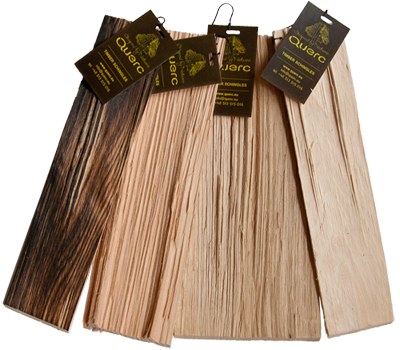
Each wood has its reason. Oak is hard and rich in tannin. Larch lives by its resin. Pine is light and economical. Hardened pine is steamed to close the capillaries and extend service life.
The most noble and durable shingle. High tannin content protects the wood for over a century. For the most demanding work.
Specification →Proven over centuries on roofs and elevations. Resin naturally protects against moisture.
Specification →Steaming closes the capillaries, extending service life well beyond raw pine. For roofs.
Specification →The curved profile that raises "feathers". Specify on organic and curved buildings.
The standard method, stiffer and more irregular in texture.
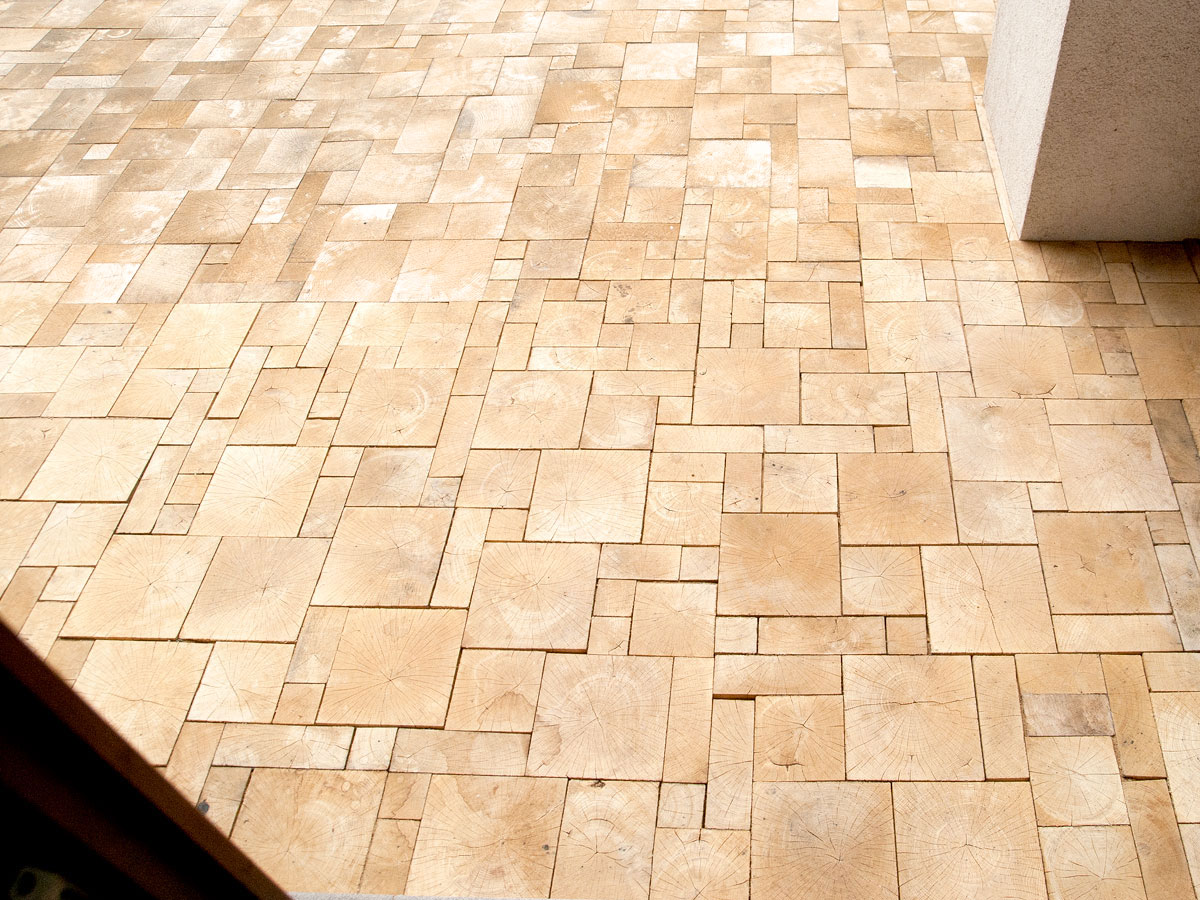
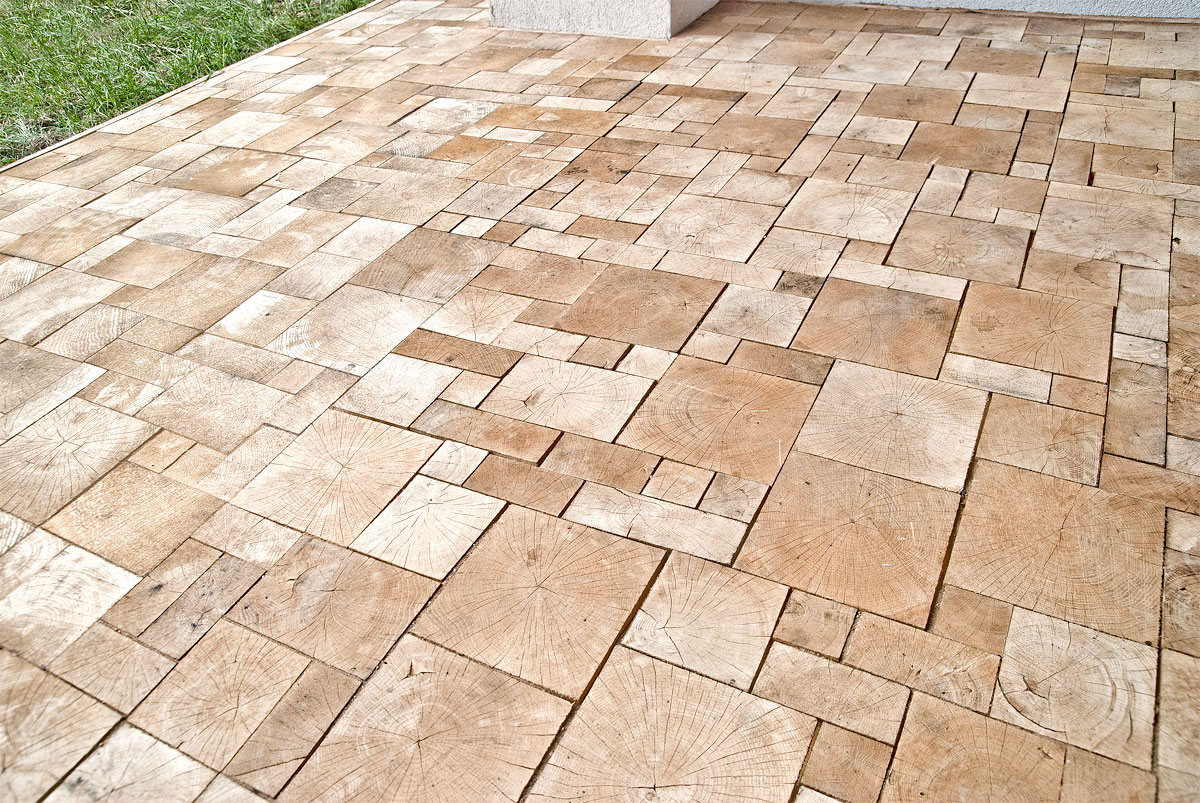
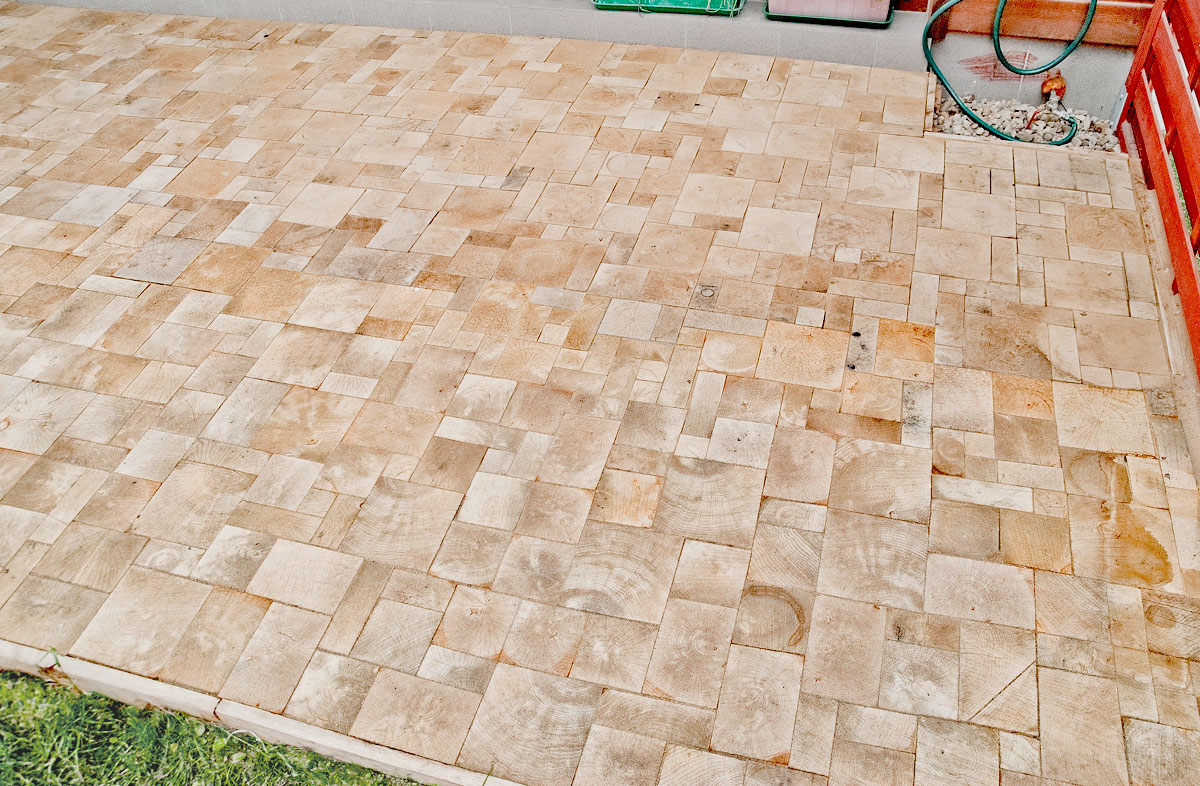
Oak mosaic cobbles — for patios, paths and floors. The same material, the same selection as the oak shingle.
See the cobbles →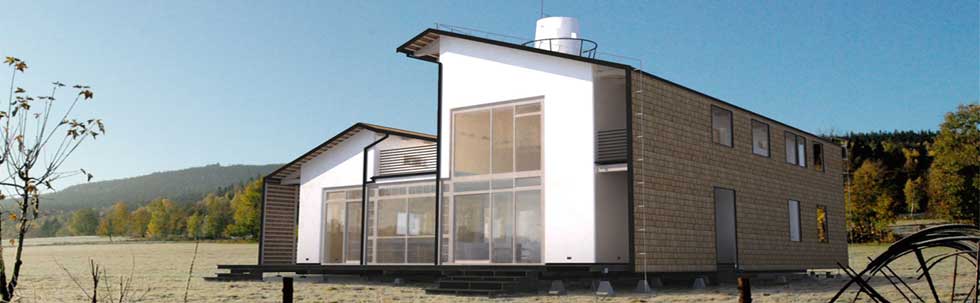
Complete roof cladding with 40 cm larch shingles. Project completed in Opole.
See the projectConstruction timber, linseed paint, raw linseed oil and linseed soap — products from the same workshop, from the same philosophy of material.
Graded structural timber, available in 3–6 m lengths.
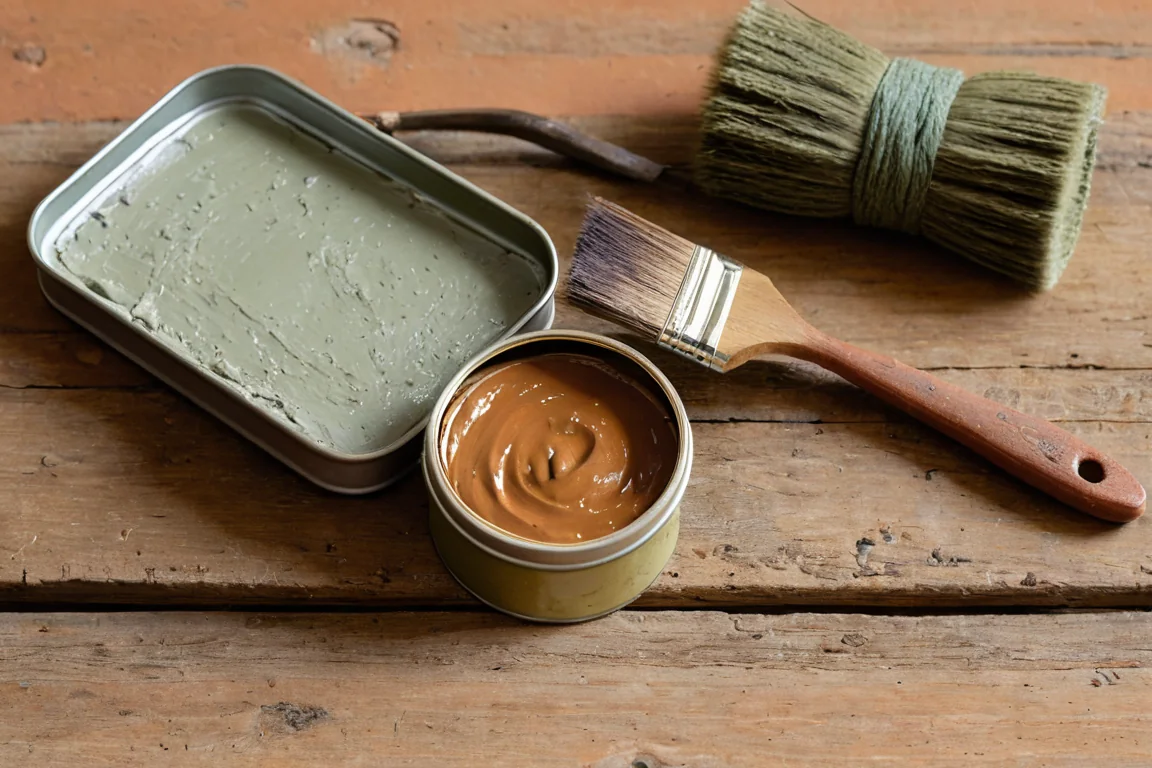
Paint based on linseed oil. Breathes with the wood, doesn't flake.
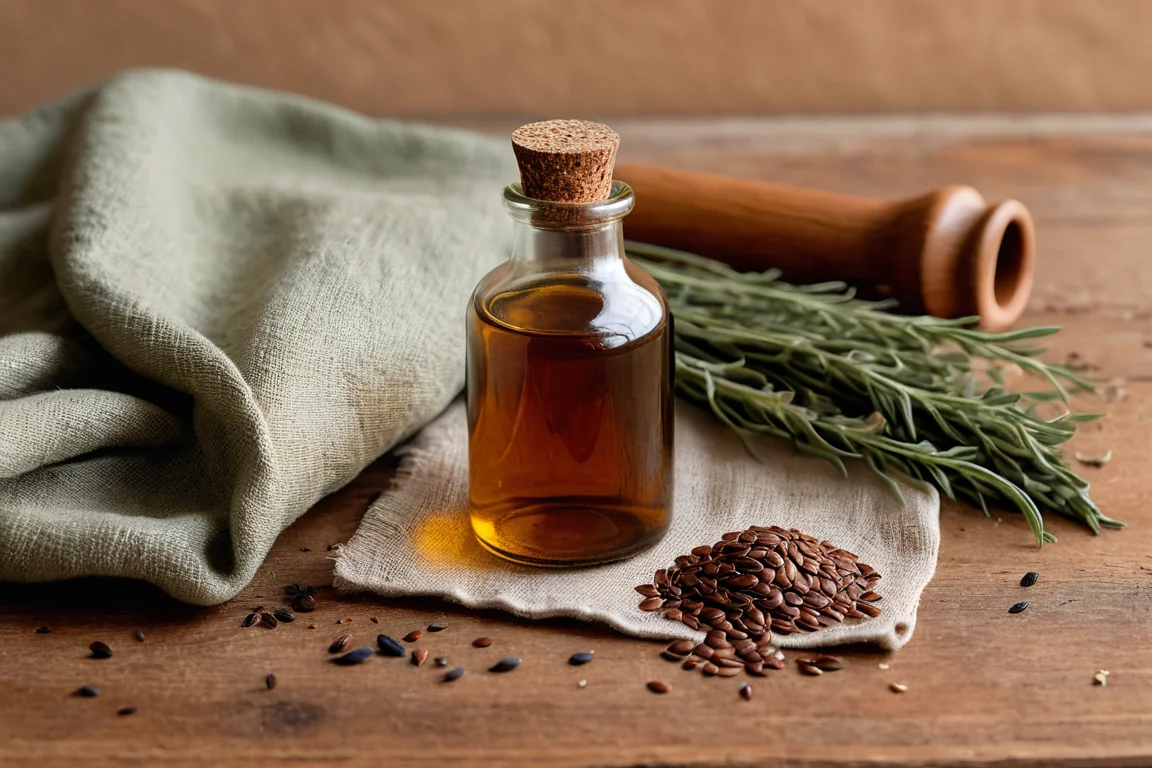
Pure linseed oil for wood treatment, interior and exterior.
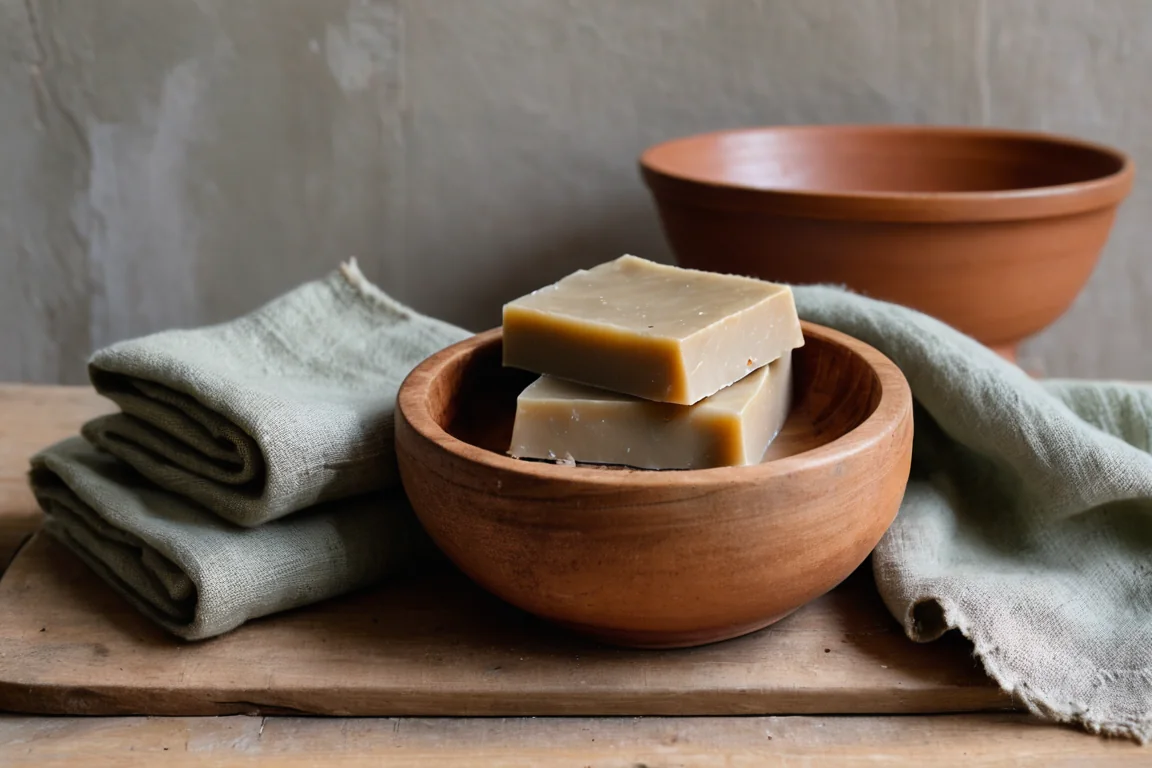
Linseed soap for cleaning and maintaining oiled wood.
 Our partner
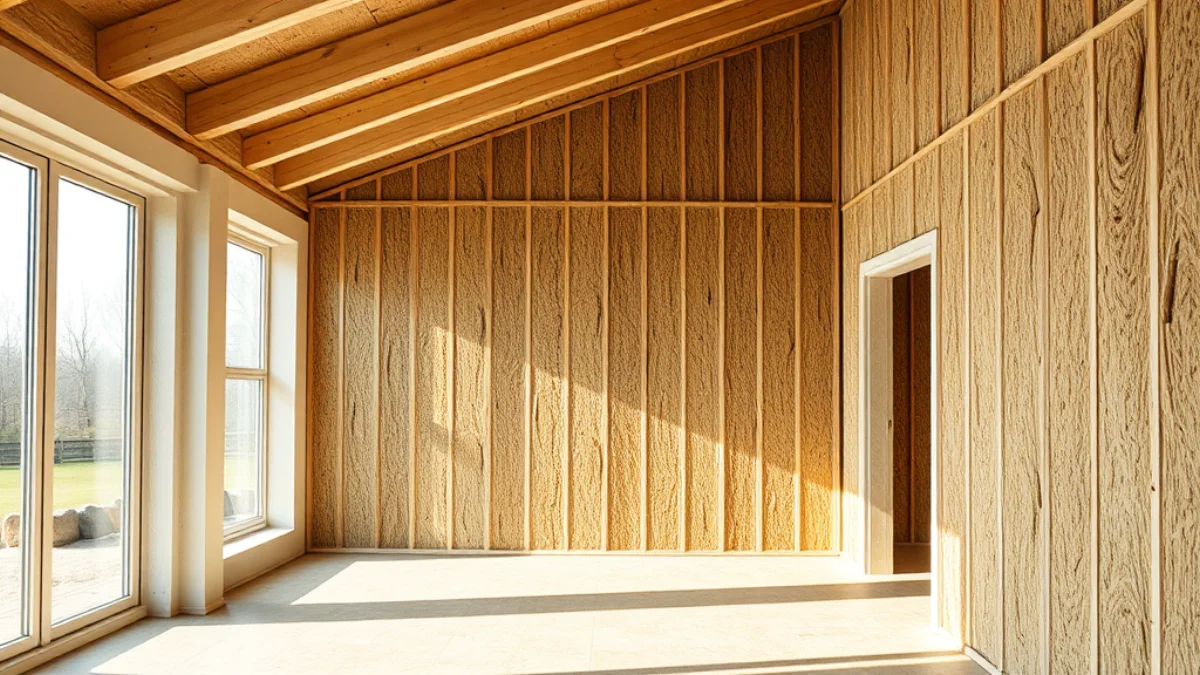
 Querc shapes the building’s outer skin. BioPly makes plant-fibre boards for interiors, renovation and furniture, bonded with a protein adhesive.
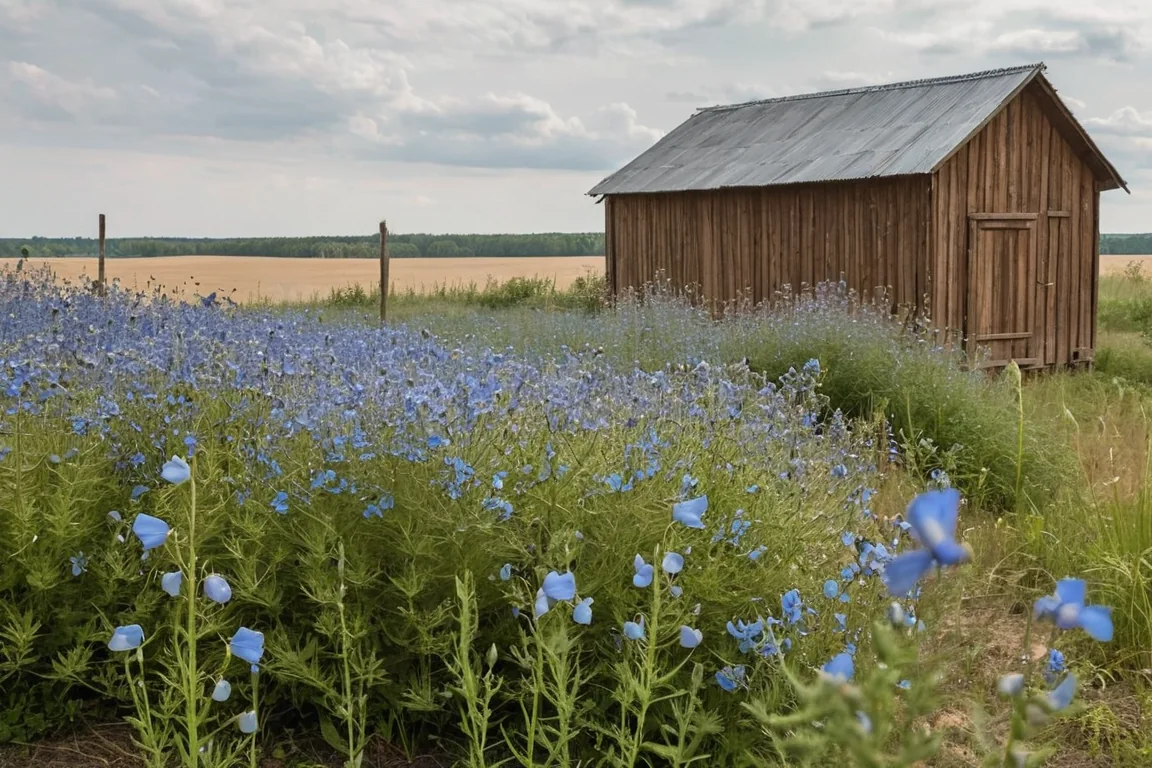
Explore BioPly →The same seed that gives the oil to treat our shingles blooms blue in July. Material from one place, from one year.
We reply within two working days. Send us your email address and an approximate area — we'll handle the rest.